Composure in Cold Churches: A Winter Wedding Accessory Edit
Photo: cara fealy choate from Austin, USA, CC BY 2.0, via Wikimedia Commons
A winter wedding in Britain asks a particular sort of discipline from its guests. The invitation may promise candlelight and a marquee, but the day itself will likely involve a stone church, a gravel path, a wait for cars and a long stretch between ceremony and supper. The temptation is to dress for the photograph rather than the occasion. The more considered approach is to dress for the hours in between.
Accessories carry the burden of that practicality. They must be useful without looking as though they have been recruited for an expedition. For the 2026 winter wedding season, the strongest edits are not built around novelty but around a small number of pieces that can move from pew to reception to railway platform without demanding attention.
The Ceremony: Restraint Under Layers
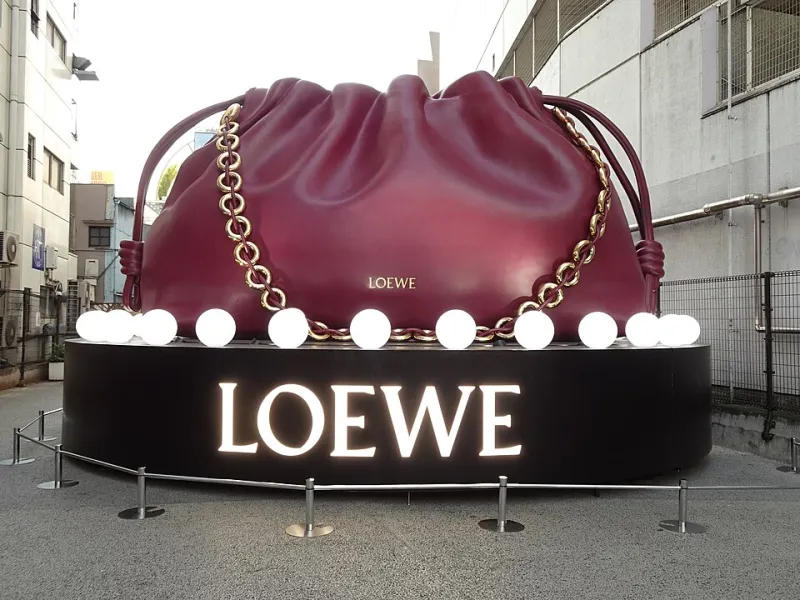
A draughty church is not the place for a fragile clutch or a shoe that requires constant negotiation with the floor. The bag should be slim enough to sit on a lap or beside a hymn book, but substantial enough to hold an order of service, a phone, a handkerchief and the small essentials that make a long service bearable. A structured leather clutch in ink, oxblood or deep camel will do more for the outfit than a decorative miniature that fails at the first practical hurdle.
Gloves deserve equal thought. Leather gloves lined in silk or fine wool are warmer than they appear and can be removed during the ceremony without leaving the hands looking undressed. They should fit closely at the wrist and stop short of the sleeve, so that the line of a coat or jacket remains clean. A second pair in a quieter tone is rarely necessary; one good pair, carried rather than clutched, is sufficient.
Jewellery should be edited with the same discipline. A winter wedding often involves high necklines, heavier fabrics and a coat that is removed only once. One quiet piece is usually enough: a pair of small earrings, a slender bracelet or a brooch with family history. The aim is not to look underdressed but to avoid a collision of competing details. If the dress has a high neck, earrings will often serve better than a necklace. If the sleeves are plain, a bracelet may be the only addition required.
The Reception: Editing for Warmth and Movement
The move from church to reception is where many otherwise sensible outfits begin to unravel. A marquee may be heated unevenly; a village hall may be warm; a townhouse may be both. The accessory edit should allow for these shifts without turning the guest into a person who is constantly removing and replacing layers.
A fine wool wrap is more useful than a bulky coat indoors, particularly if it can be folded into a clutch or draped over the back of a chair without looking like forgotten luggage. A pashmina in a neutral tone is not a compromise; it is a practical completion. It should be large enough to cover the shoulders and fine enough to disappear when it is not needed.
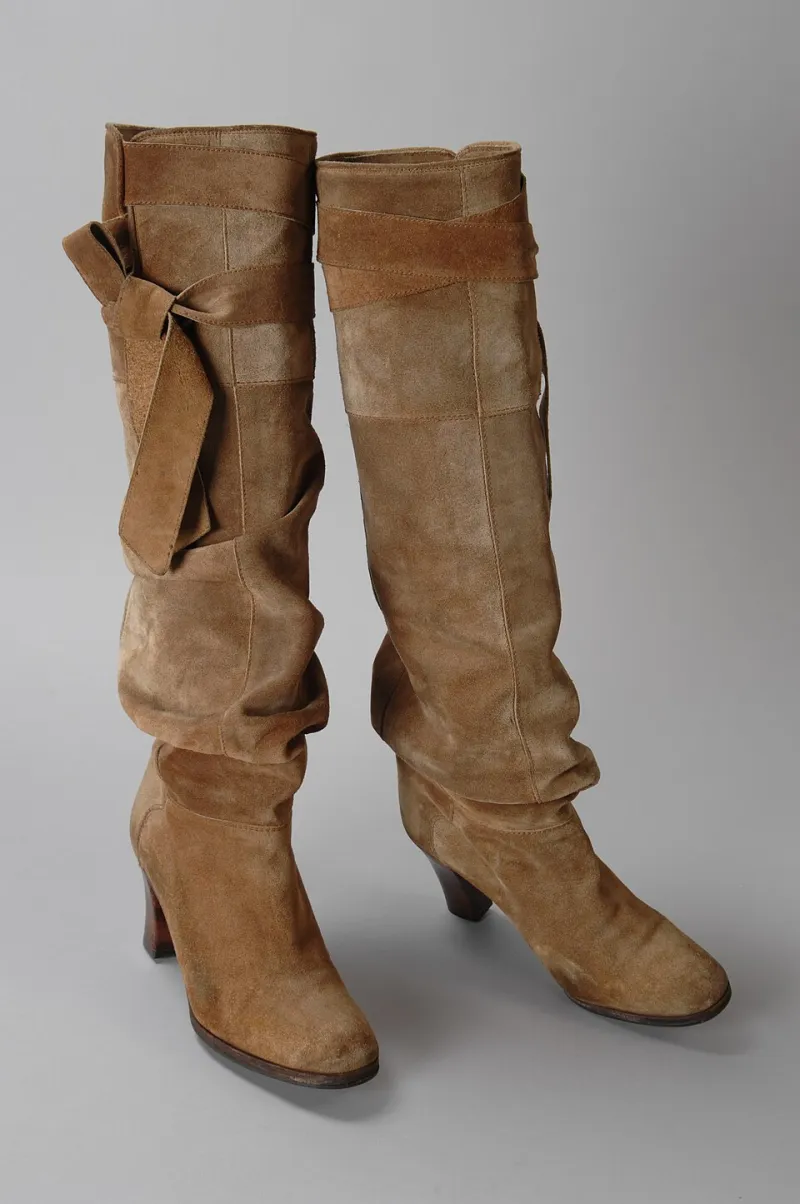
Shoes must be judged by the evening rather than the first ten minutes. A low block heel in suede or polished leather will manage gravel, stone floors and the walk between buildings far better than a stiletto. The toe should not pinch, and the sole should have enough grip for wet steps. If the wedding involves a long day, a spare pair of flat shoes kept in the car is not defeat; it is foresight. The guest who is still standing comfortably at eleven o'clock has made a better edit than the one who was photographed at three.
The Journey: What Travels Well
Many winter weddings in Britain now involve a train, a taxi and a night away. The accessory that travels best is the one that does not require its own protective ritual. A clutch with a detachable wrist strap is easier to manage than a bag that must be held at all times. A scarf that doubles as a wrap is more sensible than a hat that will be removed indoors and then carried for hours.
A small, flat pouch for jewellery and a folding umbrella in a dark neutral are sensible additions to the overnight bag, though neither need appear during the reception. The point is not to carry everything, but to carry what allows the outfit to remain composed when plans change. A missing button, a sudden shower or a delayed train should not turn a considered guest into a distracted one.
The Late Hour: Cold Without Costume
By the end of a winter wedding, the cold becomes a practical fact rather than an atmospheric one. The guest who has brought a proper coat, gloves and a wrap will be able to stay for the last dance without borrowing a jacket or leaving early. This is not a failure of glamour. It is the quiet advantage of dressing for the whole day rather than the first hour.
The best late-night accessories are the ones that have been part of the outfit from the beginning. A coat in a neutral tone, a pair of gloves that fit inside the coat pocket and a wrap that can be worn over the shoulders will not look like afterthoughts. They will look like evidence of a guest who understood the brief.
A Final Inventory
For a British winter wedding in 2026, the considered guest might carry a slim leather clutch, one pair of well-fitting gloves, a fine wool wrap, one piece of quiet jewellery and a low block-heel shoe that has already been worn around the house. The coat should be warm enough for the church steps and plain enough for the reception. The bag should close securely. The gloves should be removed with ease. Nothing should require constant adjustment.
The result is not a uniform. It is a method. Understated luxury at a winter wedding is less about the number of pieces than about their willingness to work together. The guest who is warm, unencumbered and quietly composed will always look better than the one who has dressed for a photograph that lasts a moment rather than a day that lasts twelve hours.