One Bag, One Weekend: A Considered Winter Packing List for the British Rail Journey
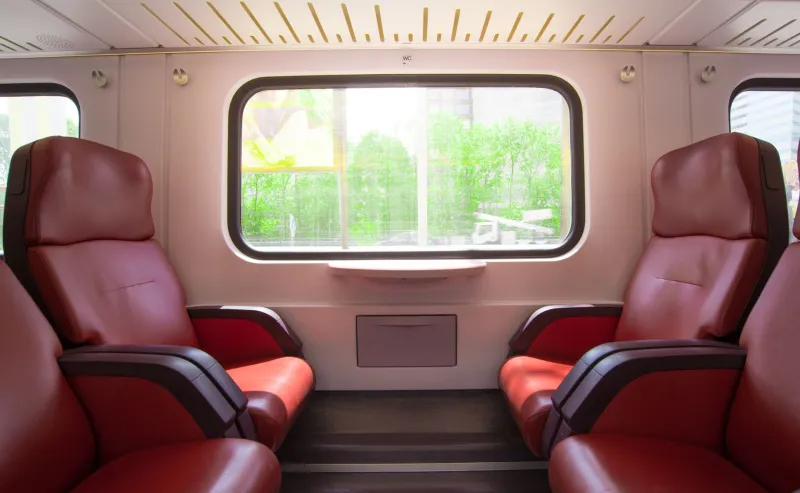
British weekends are rarely decided by a single climate. A Friday departure from King's Cross may be mild and overcast; by the time the train slows into York the rain is horizontal, and by seven o'clock the restaurant will expect something a good deal more composed than a waterproof. Packing for two nights under those conditions is not a question of volume. It is a question of judgement.
The one-bag weekend is, in practice, an exercise in editing. Everything carried must justify itself twice: once in the carriage, once at the table. What follows is a working list, assembled with that discipline in mind.
Why one bag, and why now
The single bag is less a constraint than a clarification. It removes the hotel-room sprawl of half-unpacked suitcases, spares the traveller the indignity of a rucksack at a reservations desk, and forces a useful honesty about what is actually worn. On a crowded Friday service to the Cotswolds or a late arrival into North Norfolk, the difference between one considered holdall and three shapeless bags is the difference between a weekend and an errand.
Choosing the bag itself
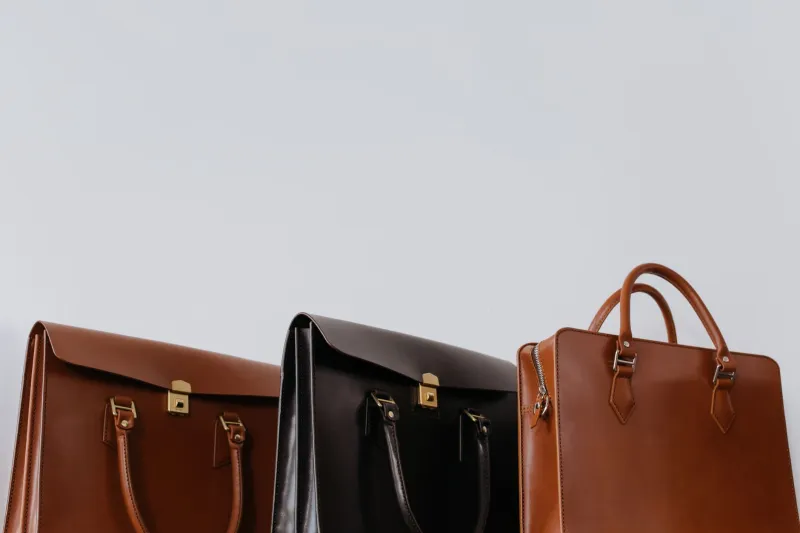
A cabin-appropriate holdall of around forty centimetres remains the most versatile answer. Look for a shape that holds its structure when half full, since a bag that collapses under its own emptiness reads as luggage rather than as an accessory. Waxed cotton suits the British climate and acquires character quickly; coated canvas is lighter and more forgiving of a wet platform; grained leather is the most formal of the three and the least tolerant of a downpour, though a good one will simply dry and carry on.
Hardware should be solid brass or a matte gunmetal, kept minimal. A detachable shoulder strap matters more than most buyers expect: a fifteen-minute walk from a rural station is common, and a hand-carried bag becomes a burden well before then. Inside, a single zip pocket and one slip pocket are sufficient. Compartments multiply weight and encourage over-packing.
The layers that do the work
Winter layering in Britain is a matter of three thin garments rather than one thick one. A fine-gauge merino crew, a mid-weight knit and a weather-resistant outer layer will cover a heated carriage, a damp walk and a cold dining room without bulk. Neutral tones — charcoal, oatmeal, deep navy, a muted olive — allow a single scarf to change the register of the whole outfit.
The scarf, and the case for one good one
If the edit permits a single flourish, it should be here. A generously sized cashmere or lambswool scarf in a quiet check or a plain herringbone does more for a winter wardrobe than any other accessory at the price. It warms a train seat, softens a tailored coat and, folded once on the shoulders, reads as deliberate at dinner. Woven in Scotland or the Borders remains the most reliable provenance; avoid anything so bulky that it cannot be worn under a collar.
Footwear, resolved before departure
One pair, worn on the train, with a second only if the weekend includes a formal occasion. A resolable leather boot — a Chelsea or a lace-up derby with a commando sole — handles cobbles, rain and a restaurant floor without complaint. Suede, treated, is perfectly serviceable in Britain provided it is not asked to survive a field. Pack a slim shoe horn and a tin of neutral wax; ten minutes of attention on Saturday morning is the difference between returning home with footwear and returning with a project.
Small leather goods, and nothing else
A card case, a slim wallet and one zip pouch for cables and chargers will hold the contents of most pockets. A hard-sided wash bag, wipeable inside, prevents the slow seep that ruins a lining. Beyond that, resist. The temptation with a holdall is to fill the space available; the discipline is to leave a third of it empty, which also leaves room for whatever the weekend produces.
An umbrella, and the correct attitude to it
A compact, wind-braced umbrella in black or dark navy is a reasonable concession to a British November, though a proper coat with a hood is the more dignified solution. Either way, choose one and commit; the traveller carrying both has already over-packed.
What to leave behind
The second pair of jeans. The gym kit that will not be used. The laptop that could have stayed at home. The spare bag, folded in case of shopping — a generous impulse that reliably produces an unnecessary purchase.
The one-bag weekend is not a test of restraint for its own sake. It is a way of arriving with everything already decided, so that the weekend can be spent on the things that prompted the journey. Packed well, a single holdall is not a compromise. It is the point.