Silk, Not Costume: Sourcing, Storing and Wearing Vintage Scarves in Britain
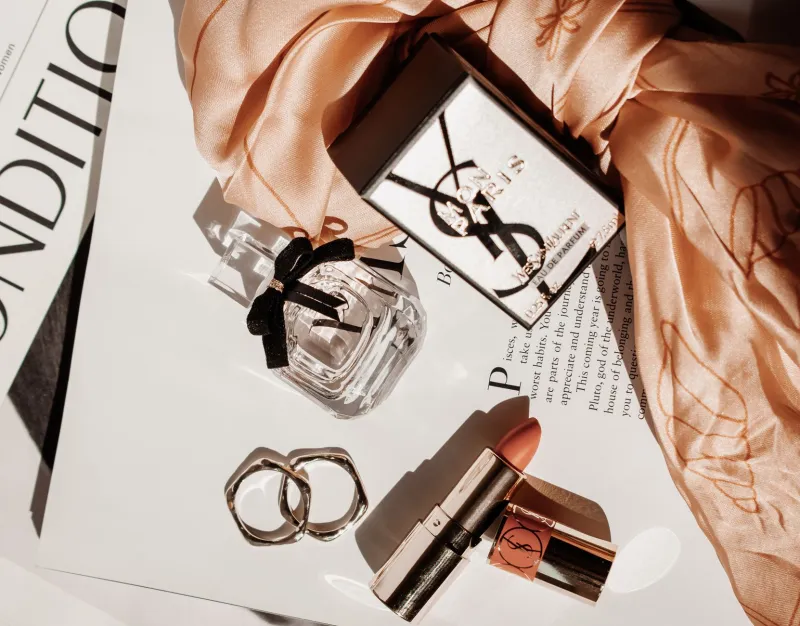
There is a particular pleasure in a scarf that has already lived. Perhaps it was folded in a drawer for decades, or worn to a wedding in another century, or inherited from someone whose taste you still recognise in the pattern. Vintage silk carries a little history in its hem. The trick is to let that history inform the way you wear it, not overwhelm it. A second-hand scarf should feel like an addition to a wardrobe, not a costume borrowed from a dressing-up box.
Where to look first
Britain is unusually well served for vintage silk if you know where to look. Charity shops remain the most democratic starting point, particularly in market towns and affluent suburbs where donations are plentiful and turnover is brisk. Go regularly rather than occasionally; the best pieces rarely wait. Examine scarves in daylight near a window, and do not be shy about unfolding them fully. A scarf that looks promising on the hanger can reveal thinning, staining or a tired hem once opened.
Auction houses offer a more curated route. Regional sales often include textile lots and single scarves among larger collections, and condition reports are usually available on request. Specialist vintage fashion fairs are useful for handling several pieces in one afternoon and for speaking directly to dealers. Reputable resellers, whether online or in permanent shops, tend to price for condition and provenance; ask about repairs, washing and previous ownership. As with any collectable, buy from sellers who answer questions clearly and are willing to provide extra photographs.
Judging condition without a laboratory
Start with the hand. Silk should feel smooth and supple, not dry or papery. Hold the scarf up to the light and look for thin patches, especially along the folds and at the corners. Fading is often most visible where the scarf has been folded or exposed to sun; compare the centre of the print with the border. Small pulls can be tolerated if they sit within a busy pattern, but larger snags, holes or seam separations deserve scrutiny.
Look closely at the hem. Hand-rolled hems are a mark of quality, but they are also a common site of repair. A neat re-stitch is acceptable on a wearable scarf; a clumsy machine hem on a piece sold as archive is not. Check for colour runs, especially in reds and deep blues, and for watermarks that may have been disguised by folding. A faint perfume smell is usually manageable; a musty or smoky smell may be harder to remove and can indicate damp storage.
Authenticating prints, cautiously
Authentication is rarely a matter of a single detail. Where a scarf carries a designer print, compare the colour registration, the sharpness of the linework and the consistency of the repeat. Look for an artist signature, a title or a care label where one is expected, and check that the print sits correctly within the border. Hand-rolled hems, fine silk twill and a certain density of colour are useful indicators, but they are not proof on their own.
Be sceptical of absolute certainty. If a seller cannot explain provenance, price the scarf as a beautiful vintage piece rather than as an investment. For valuable prints, seek a specialist opinion before committing. In most cases, the pleasure of a vintage scarf lies in the wearing, not in the certificate.
Storing silk through a British winter
Silk dislikes damp, direct sunlight and prolonged compression. Store scarves flat in a drawer lined with acid-free tissue, or roll them loosely around a padded tube if space allows. Avoid plastic bags, which can trap moisture; a cotton pillowcase or a breathable textile box is better. Keep the drawer away from radiators and exterior walls, where condensation is most likely. In older British houses, a dehumidifier in the room during winter is a sensible precaution.
Rotate your scarves rather than leaving one folded on the same crease for months. Refold along different lines to prevent permanent marks. Cedar blocks can deter moths, but they should not touch the silk directly. Dry cleaning should be sparing; if a scarf needs attention, use a specialist cleaner who understands delicate textiles. Above all, do not iron a printed silk scarf directly. A cool iron beneath a clean cotton cloth, or a gentle hand-steam, is usually sufficient.
Wearing it now, not as costume
The most current way to wear vintage silk is to treat it as a quiet layer rather than a statement. Fold a square scarf into a narrow band and knot it once at the neck, allowing the ends to sit under a cashmere coat. Drape a long scarf over the shoulders of a plain blazer, letting the print do the work against a neutral shirt. A small square can be folded into a triangle and worn under a crew-neck knit, with only a sliver of colour visible at the neckline.
Keep the rest of the outfit calm. A vintage scarf sits best with denim, wool, trench cotton and plain leather. Avoid pairing it with too many other patterns or with period-specific accessories that make the look feel staged. The point is not to resemble a photograph from another era; it is to let an inherited or second-hand piece feel entirely at home in 2026.
A final thought
A vintage scarf rewards a patient eye and a light hand. Buy for the print you will actually wear, store it with care, and resist the urge to treat it as precious. Silk improves with use when it is treated well. Worn with plain clothes and a little confidence, a second-hand scarf becomes what it should be: not a relic, but a quiet part of the wardrobe.