The Lining Tells the Truth: Judging a Luxury Accessory by Its Hidden Construction
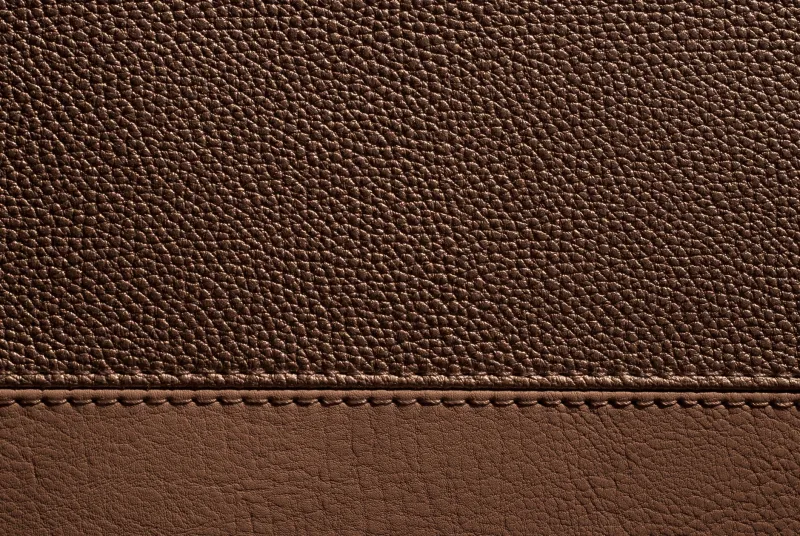
The shop light is flattering, the leather is supple and the hardware catches the eye. Yet the most reliable judgments about a luxury accessory are rarely made at arm's length. They are made inside: at the lining, along the seam allowance, beneath the edge paint and around the label. For the British shopper prepared to look a little closer, the interior is not a secret. It is a disclosure.
Begin Where the Eye Rarely Rests
A premium bag, pair of gloves, belt or card case is designed to be seen from the outside. It is also designed to be used from within. The two ambitions do not always coexist comfortably. An exterior can be softened, polished and presented for the counter; an interior must survive the daily abrasion of keys, coins, gloves, receipts and repeated opening and closing. The question is not whether the inside looks as handsome as the outside, but whether it has been built with the same seriousness of purpose.
In Britain, where damp winters and long commuter journeys test leather and stitching alike, that distinction matters. A bag that presents beautifully but relies on a glued lining or a scant seam allowance may look immaculate in November and tired by the following spring. The interior is where longevity is either designed in or quietly compromised.
Linings: The First Confession
A lining is not merely a decorative cavity. It is a structural and protective layer, and its attachment tells you a great deal. A lining that is stitched into the bag with a visible, even seam allowance suggests that the maker expected the bag to be opened, adjusted or repaired. A lining that is glued along its edges, with no means of release, suggests the opposite.
Material matters, but so does behaviour. A closely woven cotton or linen lining will resist pilling and can be cleaned; a thin synthetic lining may be smooth to the touch but can crack, shine or detach with age. In gloves, the lining is the difference between a glove that moulds to the hand and one that becomes clammy or loose. In belts, the backing leather or lining should be of a comparable grade to the face, not a split hide used solely to hold the shape. In small leather goods, the interior of a card case or purse should feel purposeful, not provisional.
When inspecting a bag, run a finger along the inside seam. It should feel flat and secure, with no ripples or excess adhesive. Lift the lining gently where access allows. If it is stitched rather than fused, you are looking at an object intended to be maintained rather than merely possessed.
Seam Allowances and the Discipline of Spare Cloth
Seam allowance is the quiet margin left inside a seam. In fine leather goods, it is rarely generous by accident. A seam allowance of eight to ten millimetres gives a repairer room to re-stitch, adjust or replace a component without compromising the panel. A minimal allowance, trimmed close to the stitch line, may look neat in the factory but leaves little room for intervention later.
This is not an argument for visible bulk. It is an argument for considered reserve. The best makers trim and finish their allowances neatly, but they do not eliminate them. The same principle applies to the interior of gloves, where the inseam should be flat and unobtrusive, and to the folded edges of belts, where the leather should be skived to reduce bulk without becoming paper-thin.
A useful test is to turn the accessory inside out where the construction permits. Look for consistency: even margins, clean trimming and no stray fibres or adhesive residue. Inconsistency inside is rarely a sign of artisanal character; more often, it is a sign of haste.
Edge Paint, Burnishing and the Honest Finish
Edge finishing is one of the most revealing details in leather goods. Painted edges should be applied in thin, even coats, with a smooth transition from face to edge. Thick, rubbery paint may conceal poor skiving, and it will often crack where the leather flexes. Burnished edges, by contrast, rely on the quality of the leather itself and the skill of the finisher. They age differently, but honestly.
On a belt, examine the edge along its full length, not just at the buckle. On a bag, look at the edges of interior pockets and straps, where wear begins first. On gloves, the finish at the cuff and between the fingers should be smooth without being stiff. A good edge finish is not merely aesthetic; it protects the leather from moisture and abrasion, which matters in a British climate.
Labels, Stamps and the Question of Provenance
Labels are often treated as proof of authenticity. They are better understood as evidence of intent. A label that is stitched neatly, with a consistent typeface and a country-of-origin statement that matches the maker's known practice, is reassuring. A label that is loosely attached, misaligned or vague about origin deserves scrutiny.
Stamps and embossing should be crisp and evenly pressed, not shallow or blurred. On the interior of a bag or small leather good, a serial number or maker's mark should be placed with care. These details are not guarantees in themselves, but they indicate a maker accustomed to being examined. Provenance is cumulative: the label, the lining, the seam and the repair access should tell a coherent story.
Repair Access: Designed to Be Opened
Perhaps the most underrated hidden detail is access. Can the lining be lifted? Can the hardware be unscrewed or unstitched? Can a strap be replaced without dismantling the bag? A luxury accessory need not be indefinitely repairable, but it should not be sealed against intervention.
In Britain, where specialist repair ateliers remain a quiet point of national pride, this matters practically. A bag with a stitched-in lining and replaceable hardware is a better long-term proposition than one that must be returned to a factory or discarded. The same logic applies to gloves, where a repairer may wish to re-stitch a seam, and to belts, where the buckle and keeper should be serviceable.
The In-Store Inspection, Conducted Politely
In a boutique, ask to see the interior in natural light if possible. Open every pocket. Feel the lining at the seams. Look at the edge finish under the counter light and then near a window. Ask whether the lining is stitched or glued, whether hardware components are replaceable and whether the maker offers a repair service. A confident sales assistant will welcome the questions; a hesitant one may reveal as much as the object itself.
Do not be distracted by the exterior alone. A beautiful bag with a compromised interior is a short-term pleasure. A quieter bag with a sound interior is a long-term companion.
At Home, Under Better Light
Once at home, inspect the accessory under daylight and with a clean, dry hand. Check the interior seams after a week of use. Look for any lifting of edge paint, any loosening of lining stitches, any pressure points at the hardware. These early signs are not necessarily faults, but they tell you how the object is likely to age.
Store bags with the interior supported, not overfilled. Allow leather to breathe. Keep gloves dry and uncreased. A little attention to the hidden architecture will repay itself in the visible surface.
What Is Worth Paying For
The hidden details worth paying for are rarely the most dramatic. They are a lining that is stitched rather than fused; a seam allowance that permits repair; an edge finish that protects rather than conceals; a label that is honest; and a construction that can be opened by a skilled hand. These are the quiet assurances of understated luxury. They do not announce themselves at the counter, but they make themselves known over years of use.
For the British shopper in 2026, the lesson is simple: judge the interior first. The exterior will follow.