The Honest Glow: How Premium Leather Ages Without Declining
Photo: Shixart1985, CC BY 2.0, via Wikimedia Commons
Leather is one of the few materials in a wardrobe that is expected to improve with use. A good bag, belt or wallet is not preserved under glass; it is carried, handled and exposed to weather. Over time, its surface acquires a depth that cannot be replicated in a factory finish. The difficulty for buyers is distinguishing that depth from deterioration. The difference matters, particularly in the second-hand market, where enthusiasm for patina can obscure structural problems.
What Patina Actually Is
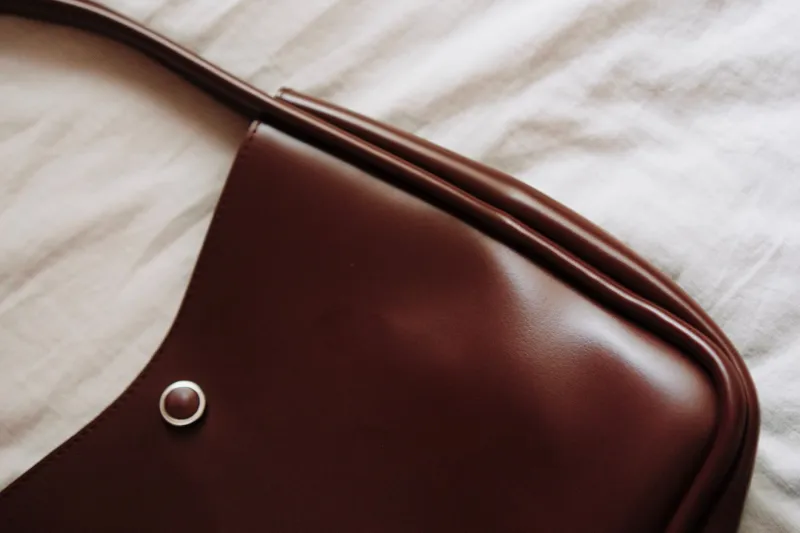
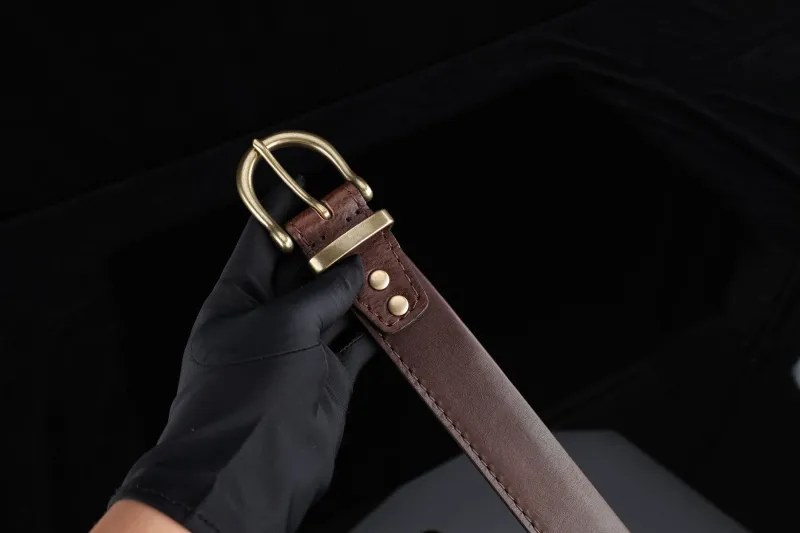
Patina is the visible record of leather responding to its environment. It develops through friction, daylight, natural oils from the hands and the gradual oxidation of tannins in the hide. On vegetable-tanned leather, this can produce a warm, translucent darkening; on aniline and box calf, it often appears as a soft sheen at the places most frequently touched. Handles darken, edges burnish, and the leather around a buckle tongue takes on a smoother, deeper tone. None of this is dirt. It is a change in the material itself.
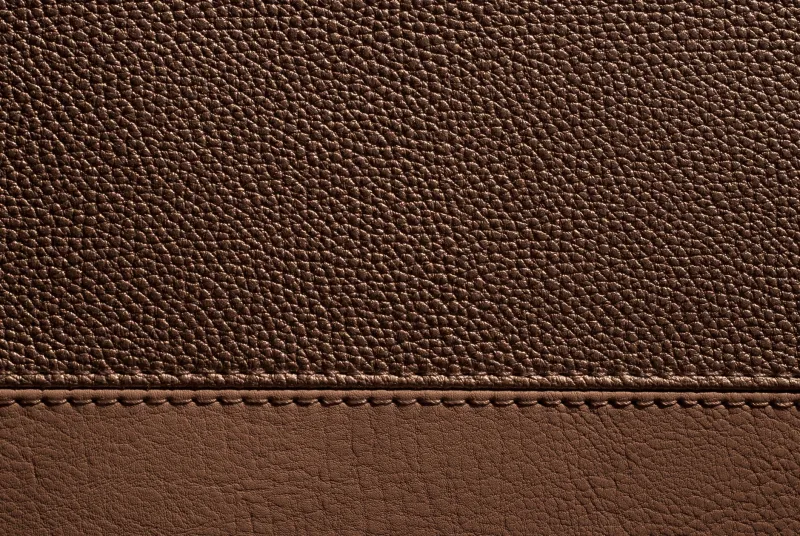
The quality of the starting leather matters. Tightly selected hides, careful tanning and a restrained finish tend to age with nuance rather than abrupt contrast. Heavily corrected leather may resist visible change, while some finishes crack before they ever develop a glow. Patina is therefore not simply a matter of time. It is a conversation between the hide, the making and the way the piece has been kept.
Character, Not Corrosion
A useful distinction is between surface evidence and structural failure. Character includes darkening at contact points, a gentle softening of the leather, superficial scuffs that blend into the finish, and the natural scars and grain variations that were present in the hide. A belt may show a softened curve where it has been worn; a bag may have a polished patch where a hand regularly reaches for the handle. These are signs of use, not neglect.
Damage reads differently. Deep cracks that open when the leather is flexed, flaking finishes, delamination along edges, and a dry, papery feel are causes for concern. So are mould, a sour smell, salt tide marks from winter roads, ink saturation and petrochemical stains. Handle cracks deserve particular attention, because a handle bears weight; what begins as a surface split can become a structural one. Hardware should also be read carefully. Pitting, verdigris around joints and a stiff or broken clasp are not patina, however attractive the leather around them may be.
The distinction is not always absolute. A mark can be both historical and problematic: an old water stain may be cosmetically distracting but structurally harmless, while a faint crack near a strap anchor may be small but serious. Judgement should be based on where the mark sits and what it is being asked to do.
A Climate of Care
British weather is hard on leather in a particular way. Rain and damp can raise the grain and encourage mould if a piece is put away wet, while central heating pulls moisture from the hide during the colder months. The aim is not to seal leather away from the world but to give it stable conditions. A bag should be allowed to dry naturally, away from radiators and direct sun. Stuffing it lightly with acid-free tissue helps it hold shape while drying. Wet leather should never be forced dry with heat.
Storage matters as much as cleaning. Dust bags are useful, but sealed plastic is not; leather needs to breathe. A dry cupboard is preferable to a damp basement or a sunlit windowsill. Conditioning should be sparing and appropriate to the finish. Neutral cream suits many smooth leathers, while waxes can darken lighter hides and should be tested discreetly. Over-conditioning can leave a sticky surface that attracts dust and weakens the very patina one hopes to preserve. Rotation is the quietest form of care: a piece used occasionally and stored well will often age more evenly than one worn hard and then abandoned.
Reading a Piece Before You Buy
When assessing a vintage or second-hand accessory, begin with raking light. Hold the piece at an angle and look along the surface rather than straight at it. This reveals edge wear, fine cracks and uneven colour far better than a frontal glance. Open every compartment. Run a finger along seams and strap anchors. Check the interior lining, which often tells the truth about use, and inspect the hardware for smooth action rather than mere shine. A pleasant, leathery smell is reassuring; a musty or chemical smell is not.
Ask about provenance and repairs. A replaced strap or relined interior is not automatically a fault, but it should be disclosed and reflected in the price. Be wary of any piece described simply as having patina when the surface feels dry, the edges are splitting or the lining is torn. Patina should invite touch; damage warns against it. A reputable dealer, whether in a London arcade or an Edinburgh auction room, will welcome close inspection and answer questions without theatre.
When Restoration Is Honest
Some intervention is sensible. A loose stitch can be secured, a tired edge repainted, a dry strap conditioned. Honest restoration preserves the piece and makes its history legible. It does not try to erase every mark. The goal is not to make an older accessory look new, but to ensure it can continue to be used. Where restoration obscures a structural weakness, however, the buyer is poorly served.
Patina is not a licence to overlook condition, nor is a pristine surface automatically superior. The most desirable leather goods tend to sit between those extremes: cared for, used with affection, and honest about their age. In an understated wardrobe, that honesty is part of the appeal. A rich glow is not a defect to be polished away; it is the visible proof that the piece has been worth keeping.