Better With Wear: Five British Accessories for a Longer-Lived Wardrobe
Photo: Original authors were the barons and King John of England. Uploaded by Earthsound., Public domain, via Wikimedia Commons
Some accessories announce themselves; others settle in. The British pieces worth keeping are rarely the loudest in the shop. They are the ones whose materials respond to use—waxed cotton that softens at the crease, cashmere that blooms with careful washing, silver that loses its showroom shine and gains a record of occasions. The following five are not a shopping list so much as a case for patience. Each improves with age, provided it is treated with a little intelligence.
1. The Waxed Cotton Holdall
A holdall in waxed cotton is one of the most practical arguments for patina. The cloth, often woven by British Millerain in Lancashire, is cotton impregnated with wax; it repels rain, scuffs with grace and develops a map of journeys at the folds and handles. Unlike a coated synthetic, it can be re-waxed, which means the wearer can extend its life rather than retire it. Look for a solid brass zip, leather handles and a lining that can be wiped clean. A darker olive or navy will show less soiling than a pale stone.
Care: brush off dry dirt with a soft brush, wipe with a damp cloth and allow to dry naturally. Re-wax sparingly once a year, or when the cloth begins to feel dry at the creases. Avoid detergent, radiators and prolonged rain-soaking. A good holdall should look better after a weekend in the Borders than it did on the shelf.
2. The Cashmere Scarf
Scottish cashmere is a material with a long memory. A scarf from Johnstons of Elgin or Begg x Co, both rooted in Scotland's textile tradition, begins as a smooth, almost crisp length and gradually relaxes into the neck. The fibres bloom slightly with wear; the weave softens; the colour settles. That is not deterioration. It is the difference between a scarf that feels borrowed from a shop and one that feels owned.
Care: hand wash in cool water with a mild wool detergent, rinse without wringing, and dry flat away from direct heat. Comb gently to remove pilling, and store folded with cedar to deter moths. Rotate scarves through the week so that each has time to rest. A cashmere scarf is not an investment in the financial sense; it is an investment in the small daily pleasure of warmth.
3. The Silver Hip Flask
A silver hip flask is a ceremonial object disguised as a practical one. British silver is hallmarked, and that mark is part of its value: it records assay office, maker and date, and it gives the owner a small piece of documentary history. Makers such as Carrs Silver in Sheffield and Hamilton & Inches in Edinburgh work in a tradition that rewards restraint. The flask will tarnish; that is not a fault. A soft patina in the crevices of the engraving is evidence of use, and over-polishing can erase detail.
Care: rinse with warm water after use, dry thoroughly and leave the cap off until the interior is completely dry. Polish only occasionally with a silver cloth, and avoid abrasive pastes. Store separately from rubber and wool. A flask that has been to a few winter weddings and a cold beach walk will look better than one kept in a box.
4. The Bridle Leather Belt
Bridle leather is vegetable-tanned, dense and initially stiff. A belt from a small British workshop—Equus Leather in County Durham or Tanner Bates in Devon, for example—will feel unyielding for the first month and then begin to follow the body. The edges darken, the surface takes on a low sheen, and the buckle leaves a faint mark at the favourite hole. That mark is not damage; it is fit.
Care: wipe with a damp cloth after heavy wear, allow to dry away from heat, and condition sparingly with a neutral leather cream once or twice a year. Avoid soaking the belt or using oil-based products that can darken it unevenly. Store it rolled or hanging, not folded sharply. A good bridle belt can be returned to the maker for a new hole or a replacement buckle, which is a quieter kind of luxury than replacing it.
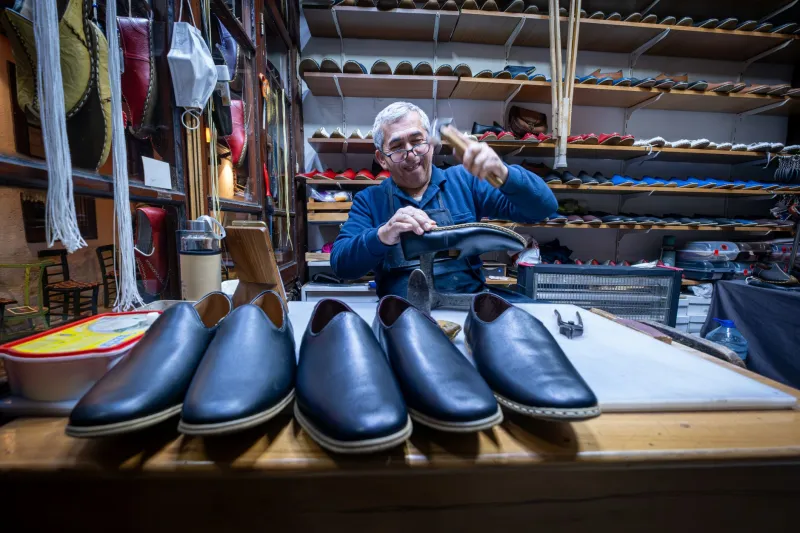
5. The Goodyear-Welted Country Boot
A country boot made in Northamptonshire by a maker such as Joseph Cheaney & Sons or Tricker's is built around the possibility of repair. The Goodyear welt allows the sole to be replaced without reconstructing the upper, so the boot can outlast several soles. The leather upper will crease, darken and soften; the welt will collect a little grit; the heel will wear at the edge. These are the signs of a boot that is being used properly.
Care: brush off mud when dry, use cedar shoe trees, and rotate with another pair. Condition the leather two or three times a season, and have the soles and heels repaired before the upper is affected. Keep them away from radiators. The reward is a boot that moulds to the foot and looks better with a worn-in pair of trousers than it ever did in the window.
The Longer View
The common thread is not a brand or a price point. It is the willingness to let an object change. Patina is simply evidence of use, and use is the point of an accessory. In a wardrobe built for the longer view, the question is not whether a piece will look new next year, but whether it will look better. These five British pieces answer that question in the affirmative, provided they are cared for with the same consideration that went into making them.