A Change of Strap, Not of Character: Dressing One Watch for Every Room
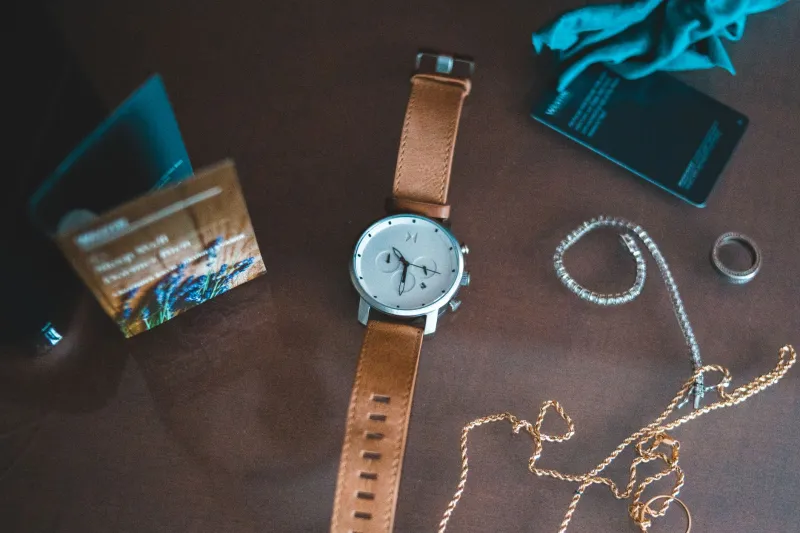
There is a particular kind of restraint in owning one good watch and learning to ask more of it. The watch head remains constant—its case, dial and proportions fixed—while the strap becomes the variable. This is not a licence to accumulate. It is a quiet argument for adaptability, and for the understated luxury of making fewer things work harder.
A second strap changes the register of a watch without changing its identity. It can take a sober timepiece from a City meeting to a country weekend, from a formal dinner to a wet Saturday in town, without pretending to be a different watch altogether. The pleasure lies in that continuity. The watch remains recognisable; only its manner of address is altered.
The case for a constant watch head
Much of the modern watch market encourages multiplication. A dress watch, a sports watch, a weekend watch, a travel watch: each with its own rationale. The considered alternative is to choose one watch head with enough composure to carry several roles, then let the strap do the adjusting. This approach demands more from the initial choice, but it rewards patience. A watch that is right in case size, dial legibility and finish will remain right across a surprising range of settings.
Keeping the head constant also deepens familiarity. The weight on the wrist, the position of the crown, the way the light falls across the dial—these become second nature. A change of strap then feels like a change of shirt rather than a change of personality. For readers drawn to understated luxury, that distinction matters.
Material as register, not costume
The strap should alter the watch’s tone, not disguise it. Smooth calfskin is the most straightforward choice for formal and business wear. In ink, dark brown or oxblood, it lends a watch a composed, almost architectural line. Grained leather is slightly more relaxed and hides the marks of daily wear with greater ease. Suede offers texture but requires more care in British weather; it is best kept for dry days and gentler settings.
Woven nylon is the quieter revelation. A well-made nylon strap—tightly woven, with clean edges and sound hardware—softens the formality of a watch without making it look casual in a careless way. It suits weekend dress, travel and the sort of damp autumn days that make leather less than ideal. The best examples are not loudly technical. They are simply robust, comfortable and visually calm.
A metal bracelet can serve as a third option, particularly for warmer months, but it changes the watch more emphatically than leather or nylon. For a two-strap wardrobe, one leather and one woven textile will usually cover more ground with less fuss.
Fit, hardware and the British climate
A strap is only as good as its fit. The ends should meet the case cleanly, whether straight or curved, and the thickness should suit the watch’s lugs rather than overwhelm them. Quick-release spring bars are convenient, but conventional spring bars remain perfectly serviceable and are less prone to accidental release. Whichever system is used, the strap should be changed with care and checked periodically for wear.
Hardware deserves close attention. A buckle or clasp should match the watch’s case metal and finish, not merely approximate it. Brushed steel against polished steel can look unresolved; a bright gold-tone buckle on a steel watch rarely ages well. Stitching should be tight and unobtrusive, and the leather should feel supple without appearing flimsy.
The British climate imposes its own test. Leather straps benefit from rotation, since moisture from the wrist and the weather will shorten the life of any single strap worn without pause. Nylon dries more readily and can be rinsed with restraint, but it should never be forced dry near a radiator. A watch worn through a wet commute deserves a few hours on a dry cloth, away from direct heat.
Patina, care and the discipline of two
Patina is not damage, but it is not an excuse for neglect. Smooth calfskin will darken and crease at the buckle; nylon will soften and take on the shape of the wrist. These changes are part of the point. They record use without demanding attention. The watch head, meanwhile, remains the steady element against which those changes are read.
Care should be modest. Leather can be wiped with a soft dry cloth and conditioned sparingly, perhaps once or twice a season. Nylon can be cleaned with mild soap and water, then left to air-dry fully before refitting. Storage matters too: straps kept coiled tightly or crushed in a drawer will distort. A simple roll or a divided compartment is sufficient.
A working wardrobe of two straps
The most useful arrangement is rarely more than two: one dark, smooth leather strap for formality and one woven nylon strap for leisure and travel. Together they allow a single watch to accompany a working week, a railway journey to the country and a quiet weekend without any sense of compromise. The watch head stays constant; the wardrobe around it becomes more intelligent.
This is the quiet swap worth making. Not because it promises more watches, but because it asks more of one. In a market that often equates choice with quantity, the second strap is a small correction: a way to dress a good watch for every room while keeping its character intact.